L-Sealing Machine vs Auto Web Sealer: Which Is Right for You?
An L-sealing machine is the right choice when you pack varied products at small to medium volumes and want a compact, affordable machine; an automatic web sealer is the right choice when you run high volumes of similar packs and need continuous, operator-light output. Most Indian factories start with an L-sealer and move to a web sealer as volumes grow.
Key takeaways
- An L-sealer seals two sides of the film in one stroke — simple, compact and economical for mixed products.
- An auto web sealer feeds, seals and cuts continuously with PLC control — built for speed and consistency.
- The crossover point is volume: sustained high hourly output justifies the web sealer's higher investment.
- Both pair with a shrink tunnel downstream for a tight finished pack.
- You can automate in stages — many of our customers begin manual, then upgrade the sealing step first.
What is the difference in one minute?
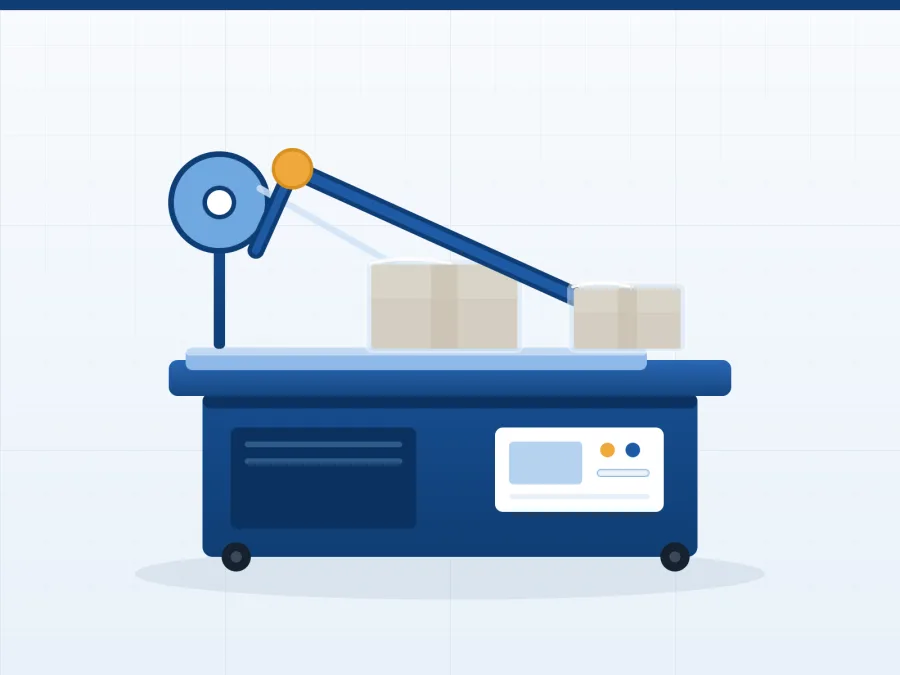
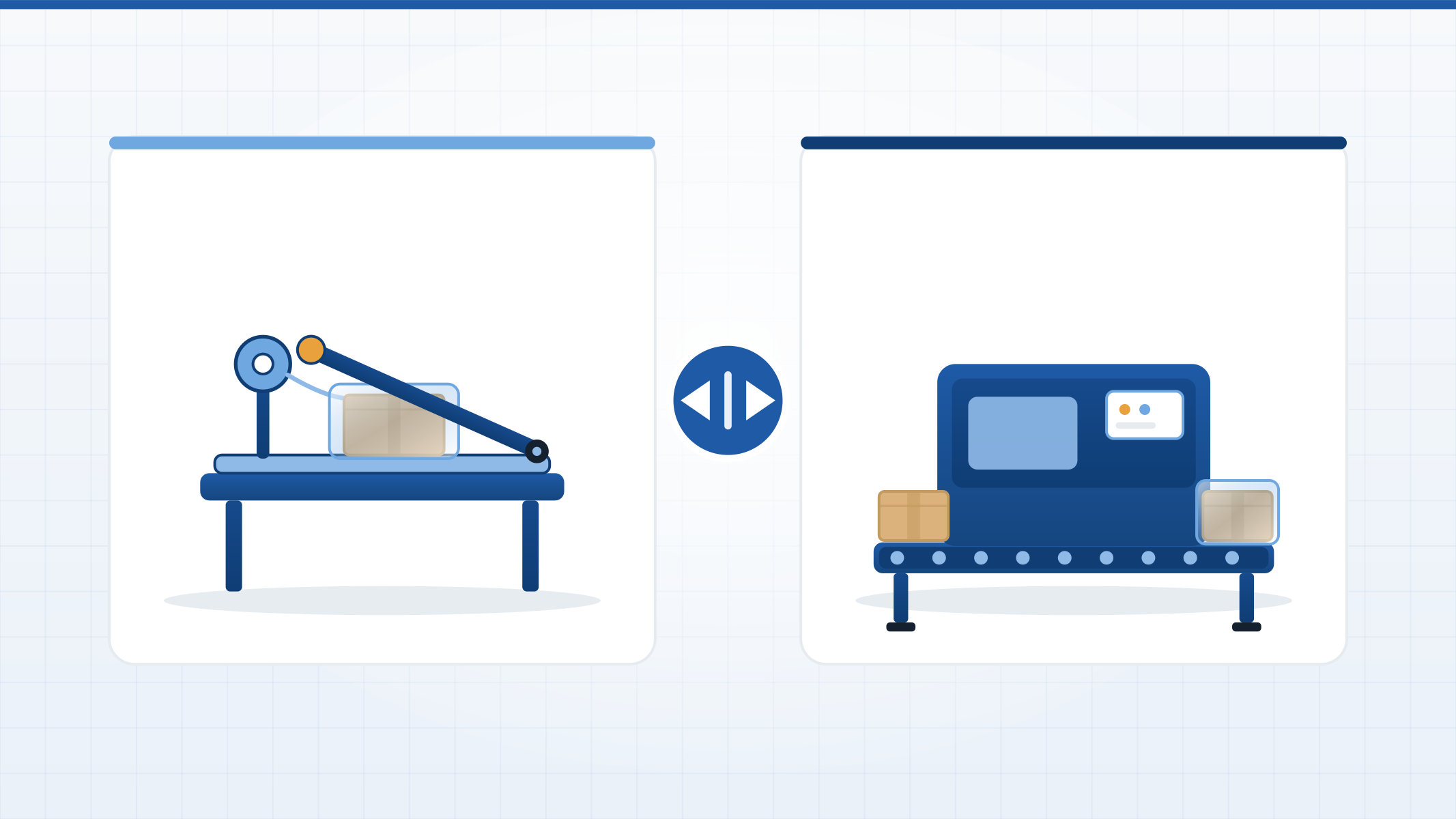
Both machines wrap a product in film and seal it before shrinking. The difference is how the film is handled. An L-sealer uses a hinged L-shaped sealing bar that an operator (or a semi-automatic feed) brings down over each product. A web sealer pulls film from a roll continuously, forms it around products moving on a conveyor, and seals and cuts automatically — no per-pack operator action at all.
How does an L-sealing machine work, and who is it for?
The product is placed inside a folded centre-fold film, and the L-bar seals and trims the two open sides in a single stroke. Our L-sealing machines suit cartons, trays, boxes, stationery, cosmetics and retail multipacks — anywhere pack sizes change through the day.
- Compact footprint that fits small packing rooms.
- Low film wastage thanks to the adjustable sealing area.
- Quick changeover between product sizes — no tooling.
- Lower purchase price and simple operator training.
One food SME has run our L-sealer for three years with almost no maintenance — the story is in this case study.
How does an auto web sealer work, and who is it for?
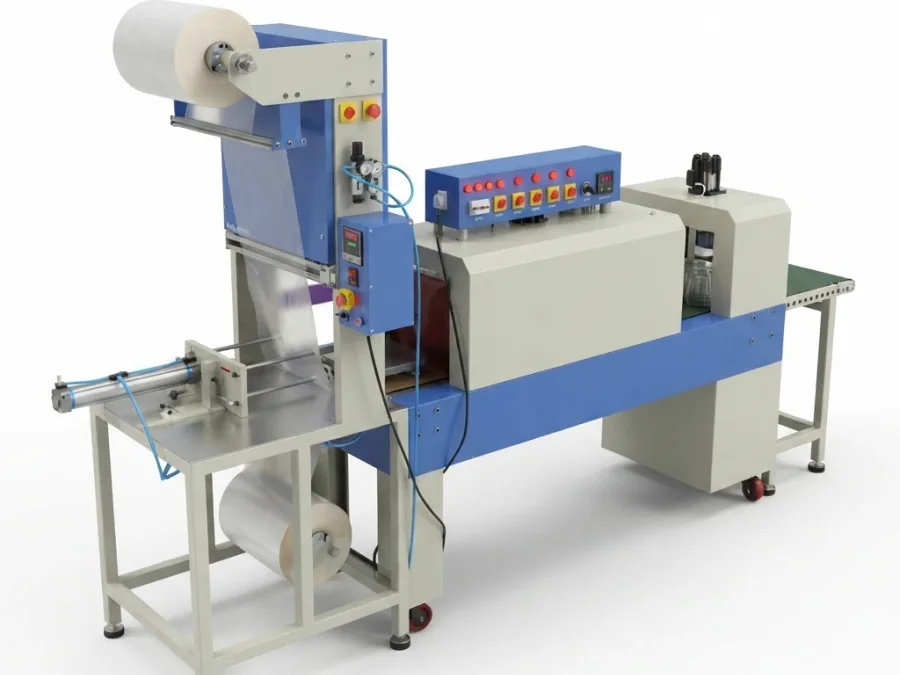
An automatic web sealing machine runs uninterrupted: an infeed conveyor spaces the products, the film web wraps them in motion, and a sealing head seals and separates each pack — all governed by a PLC with sensor-based product detection. It is built for single-format, high-volume lines: large FMCG runs, e-commerce fulfilment, printing and publishing, and any plant where sealing has become the bottleneck.
L-sealer vs auto web sealer: side-by-side comparison
| Factor | L-sealing machine | Auto web sealer |
|---|---|---|
| Sealing method | Two-sided seal per stroke | Continuous seal-and-cut in motion |
| Typical volume | Small to medium batches | Sustained high-volume runs |
| Operator involvement | One operator loads each pack | Loading only; sealing is automatic |
| Product changeover | Very fast, any size within bed | Best for consistent formats |
| Footprint | Compact | Longer, inline layout |
| Film wastage | Low | Lowest per pack at volume |
| Investment level | Entry to mid | Mid to high, repaid by throughput |
Which should you choose for your volume and product mix?
- Choose an L-sealer if: you pack under a few hundred units per hour, sizes vary, floor space is tight, or this is your first packaging machine.
- Choose a web sealer if: one product family dominates, you run multiple shifts, manpower is your constraint, or missed dispatches are costing you orders.
- Not sure? Put your real hourly numbers against both on our machine comparison page, or ask us to model the total cost of ownership for your line.
Can you start with an L-sealer and upgrade later?
Yes — and it is often the smartest path for a growing plant. The L-sealer keeps its value as a second line for short runs, samples and odd sizes even after a web sealer takes over the main product. Because Packten manufactures both machines in-house, we design the shrink tunnel, conveyors and layout so the upgrade drops in without rework. That staged approach is covered in our guide to semi-automatic vs fully automatic packaging machines.
Tell us your product, pack sizes and hourly target on the contact page and our engineers will recommend the right sealing machine — with an honest answer on whether the cheaper option is the better one for you today.
Frequently asked questions
An L-sealer costs substantially less — it is a simpler machine with no automatic feeding or PLC-controlled continuous sealing. The web sealer's premium buys throughput and operator-free sealing, so the right comparison is cost per pack at your real volumes, not the two price tags.
Real-world output is operator-paced — typically several hundred packs per hour for easy-to-handle products, less for fiddly ones. If your required rate consistently pushes past what one operator sustains comfortably, that is the signal you have outgrown the L-sealer for that product.
Sometimes, if the tunnel was sized for the faster machine and the layout lets both feed it. But running them simultaneously through one tunnel is rarely practical. Most plants pair each sealer with its own appropriately sized tunnel and keep the L-sealer line for short runs and odd sizes.
No — modern web sealers are PLC-controlled with sensor-based product detection, so daily operation is loading product and monitoring. The skills to develop in-house are changeover setup and first-line maintenance, both covered in the operator training a good manufacturer includes at commissioning.