Semi-Automatic vs Fully Automatic Packaging Machines: What Should Your Factory Buy?
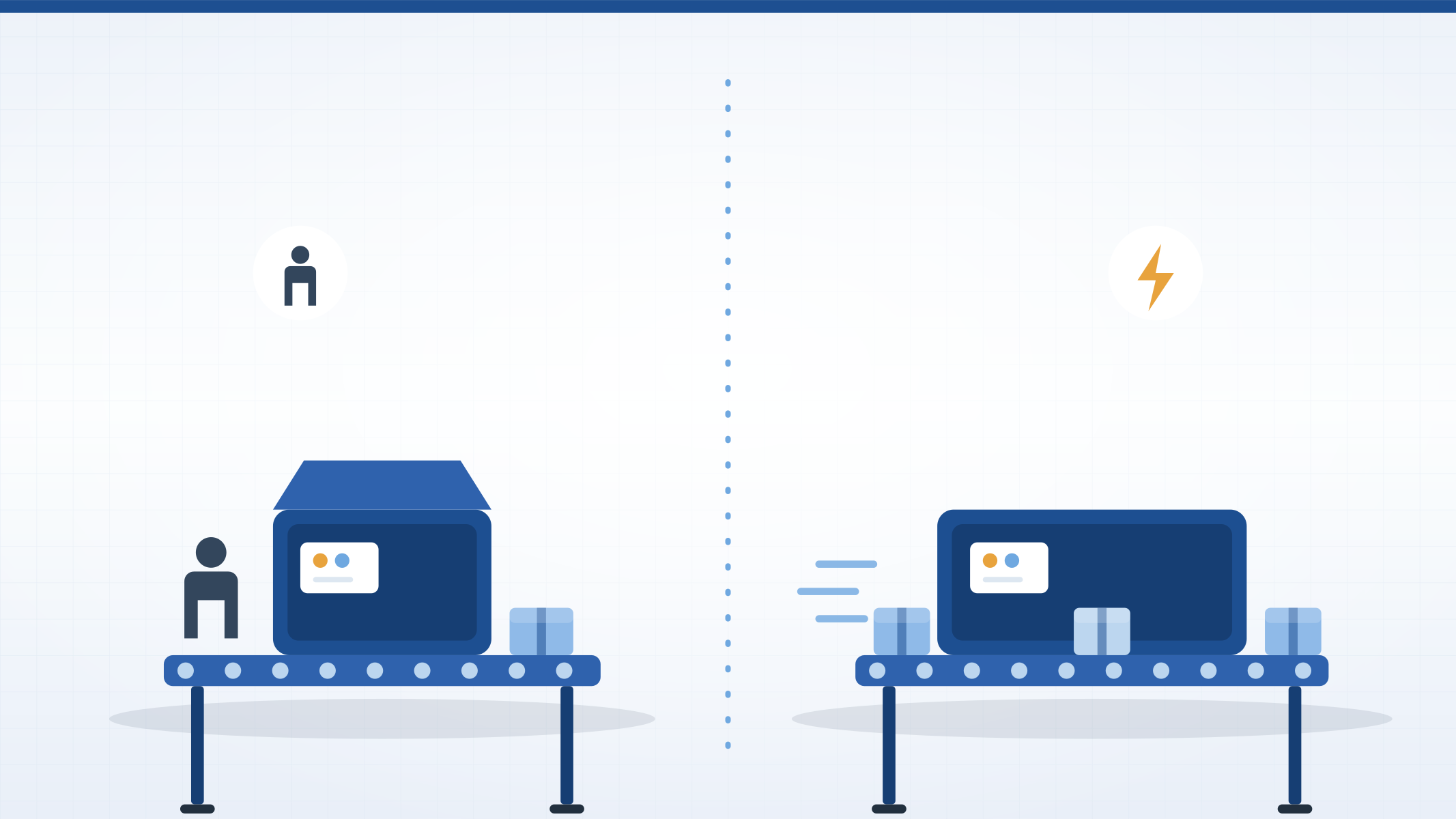
A semi-automatic packaging machine is right when your volumes are moderate, products vary and capital is tight; a fully automatic machine is right when one product family runs at high volume and manpower or consistency is your constraint. Most Indian MSMEs get the best return by automating in stages — semi-automatic first, fully automatic when demand proves itself.
Key takeaways
- Semi-automatic = operator loads each pack, machine does the sealing/shrinking. Fully automatic = machine does both, operators only replenish.
- The price gap between the two is large — but so is the capacity gap. Judge on cost per pack, not machine price.
- Labour dependence is the hidden cost of semi-automatic lines: absenteeism directly cuts output.
- Staged automation (upgrade the sealing step first) protects cash flow and keeps earlier machines useful.
- Product variety favours semi-automatic; single-format volume favours full automation.
What is the difference between semi-automatic and fully automatic?
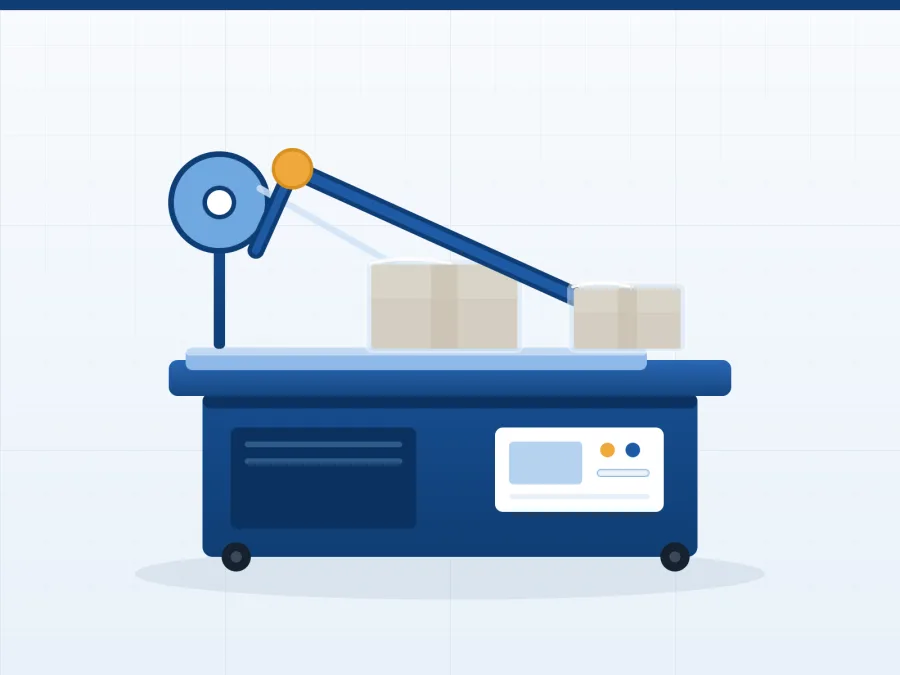
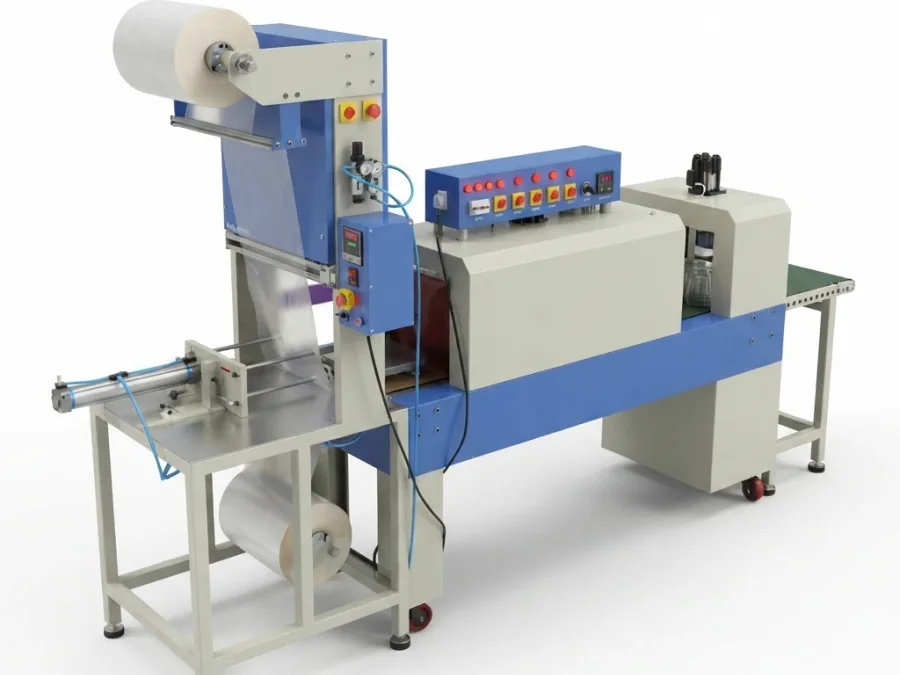
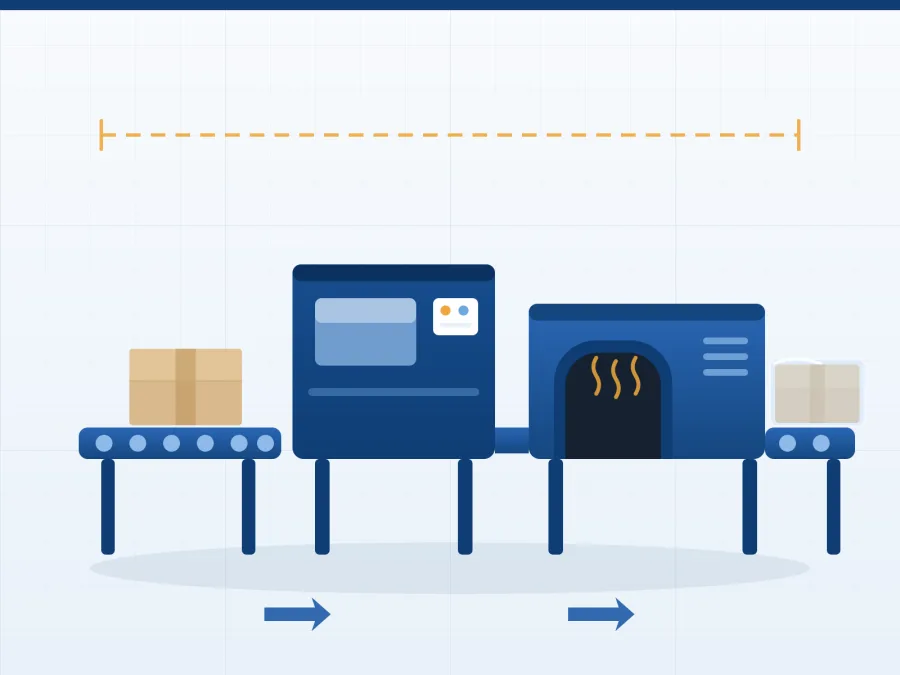
In a semi-automatic setup, an operator places each product into the film and triggers the seal — the machine handles sealing quality and the shrink tunnel finishes the pack. In a fully automatic line, an infeed conveyor spaces products, an automatic web sealer wraps and seals them in motion under PLC control, and the tunnel shrinks them — continuously, shift after shift.
How do output and manpower compare?
| Factor | Semi-automatic (e.g. L-sealer + tunnel) | Fully automatic (web sealer + tunnel) |
|---|---|---|
| Typical output | Hundreds of packs/hour, operator-paced | High, machine-paced and constant |
| Operators per shift | 1 per machine, working every pack | Loading/supervision only |
| Skill needed | Basic, trained in a day | Basic operation + a trained supervisor |
| Output consistency | Varies with operator fatigue | Same at hour 1 and hour 8 |
| Changeover flexibility | Excellent — any size within the bed | Best for consistent formats |
| Investment | Entry to mid | Mid to high |
Where does semi-automatic save money — and where does it quietly cost more?
It saves on purchase price, installation simplicity and flexibility: our L-sealing machines switch between box sizes in seconds, which suits job-work and multi-product plants. It quietly costs more when volumes rise: every pack carries an operator's time, output caps at human pace, and quality drifts late in the shift. When packing staff become the reason dispatches slip, the "cheap" machine has become expensive.
When is semi-automatic the right call for an MSME?
- You are mechanising manual packing for the first time.
- Daily volumes are in the hundreds, not many thousands.
- You pack multiple sizes or do contract packing for others.
- Capital must also cover other machines this year.
A food-sector customer of ours in exactly this position has run a Packten L-sealer for three years with near-zero maintenance — the story is in this case study. Plants in industrial clusters like Rajkot often start here and scale up as orders grow.
When does full automation pay for itself?
- One product family dominates and runs daily.
- You run two or three shifts — automation multiplies its savings per shift.
- Hiring and retaining packing labour is difficult or increasingly costly.
- A customer (retail chain, export buyer, marketplace) demands consistent pack quality.
- Missed dispatch windows are costing you orders.
Run the actual numbers with our packaging automation ROI method — for many plants the payback lands within a year or two of multi-shift running.
Can you upgrade in stages instead of choosing once?
Yes — and it is usually the best plan. A typical staircase: manual packing → L-sealer + tunnel (semi-automatic) → automatic web sealer for the main product, L-sealer kept for short runs → conveyors linking machines → a fully integrated line with custom packaging systems where needed. Because Packten builds all of these stages in-house and offers turnkey automation, each upgrade is designed to slot into the last instead of replacing it.
Decision checklist
- Write down real daily volumes today and expected in 2 years.
- Count the people currently packing, per shift.
- List your pack formats — one dominant format points automatic; many point semi.
- Check shift pattern — multi-shift plants amplify automation savings.
- Compare cost per pack over 3 years, not machine price on day one.
Undecided between the two? Share your product, volumes and shift pattern via the contact page — Packten's engineers will tell you honestly which level of automation your numbers justify, and design the upgrade path for the rest.
Semi automatic packaging machinery in India: the main types
"Semi automatic" covers any machine where an operator paces the cycle while the machine does the skilled work. On Indian packaging lines the common semi automatic packaging machines are:
- L-sealing machines — the operator places the pack, the L-bar seals and cuts in one stroke; 20–30 packs/min, single-phase power, the classic MSME starting point
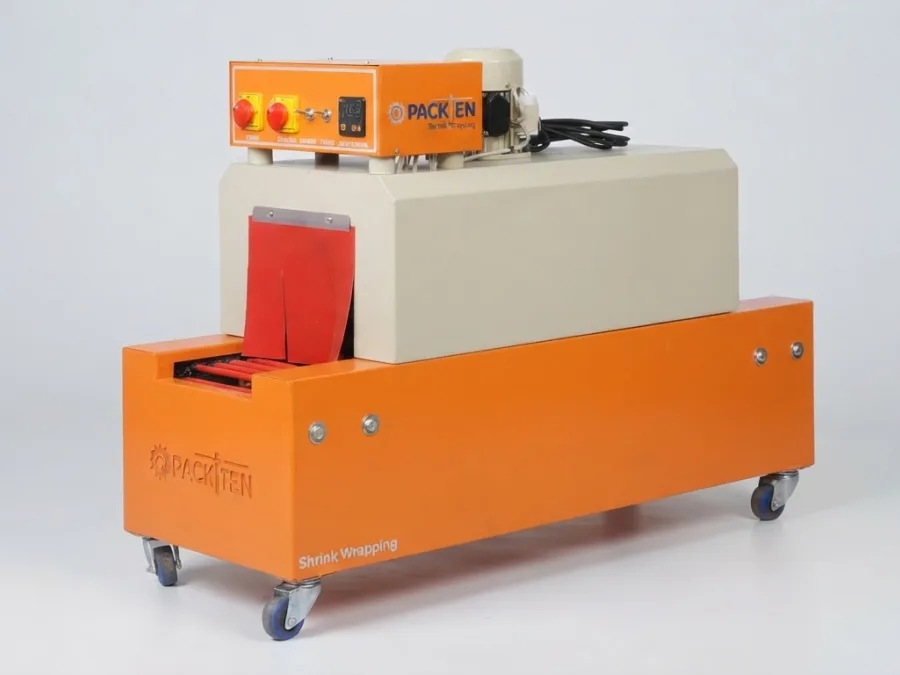
- L-sealer + shrink tunnel — the standard semi-automatic shrink wrapping line: manual placement, automatic shrinking
- Semi-automatic sleeve sealers — an operator stages product onto the infeed of a web sealer, the machine wraps and seals continuously
- Operator-fed conveyor lines — manual pack-off stations connected by powered conveyors, often the first automation step in e-commerce and food units
The attraction is capital cost and flexibility: one operator and one machine handle many SKUs with near-zero changeover. The limit is the operator — output tops out where their pace does.
Which semi automatic packaging machine fits your product?
- Cartons, boxes, trays, multipacks → L-sealer + shrink tunnel
- Long or continuous-flow products → semi-automatic sleeve sealer + tunnel
- Bagged and heavy goods → conveyor-fed pack-off with a truck loading conveyor at dispatch
- Mixed e-commerce parcels → L-sealer for presentation packs, conveyors for flow
Prices follow seal area, build and film handling rather than a fixed list — the factors are the same nine covered in our shrink wrapping machine price guide. When volumes outgrow the operator, the same film and tunnel usually carry over to the automatic line, which protects the original investment. Tell us your product and daily volumes and we will recommend the right automation level honestly — including "stay semi-automatic for now" when that is the correct answer.
Frequently asked questions
A semi-automatic machine is paced by its operator, so real-world output sits in the hundreds of packs per hour and dips as the shift tires. A fully automatic line is machine-paced and holds the same high rate all day. The gap widens further on multi-shift operations, where consistency compounds.
The machine itself is not converted, but the line is: plants typically add an automatic web sealer for the main product and keep the L-sealer for short runs and odd sizes. If the manufacturer designs conveyor heights and layout with that upgrade in mind from day one, the transition drops in without rework.
Typically one or two people loading product at the infeed and supervising, versus one operator physically working every pack on a semi-automatic machine. The saving repeats every shift, which is why multi-shift plants justify full automation years earlier than single-shift ones.
Usually a semi-automatic setup — an L-sealer with a shrink tunnel. It needs modest capital, trains in a day, handles varied pack sizes while your product mix is still settling, and keeps its value as a second line after you automate. Move to full automation once one product family dominates daily volumes.
Machines where an operator paces the cycle while the machine does the sealing, shrinking or conveying — L-sealers, L-sealer + shrink tunnel combinations, semi-automatic sleeve sealers and operator-fed conveyor lines. Lower capital cost and high SKU flexibility, with output limited by the operator's pace.
It depends on seal area, build material and film handling rather than a fixed price list. L-sealers are the most affordable entry point; adding a shrink tunnel completes the line. Ask for quotes configured to your pack sizes and compare them on identical specifications.