Packaging Automation ROI: How to Calculate Payback Before You Buy
To calculate the ROI of a packaging machine, divide the machine's total cost by what it saves or earns per month: payback (months) = total investment ÷ (monthly labour savings + material savings + value of extra output). For most Indian plants running a genuine bottleneck, that simple formula lands between one and three years — and the inputs are numbers you already have.
Key takeaways
- Payback = investment ÷ monthly gain — labour saved, film saved and extra sellable output are the three gains that matter.
- Manual packing costs more than wages: rework, damage, film wastage and attrition all belong in the baseline.
- Multi-shift plants recover machines fastest because every saving repeats each shift.
- GST input credit on machinery reduces your effective investment — include it.
- Semi-automatic first is a legitimate ROI strategy, not a compromise.
What does manual packaging really cost per month?
Build an honest baseline before touching machine quotes. For a packing team, count all of it:
| Cost head | What to count |
|---|---|
| Labour | Wages + overtime + supervisor share for everyone touching packing and loading |
| Material wastage | Over-used film/tape per pack × packs per month (hand-wrapping typically wastes 10–20% more film) |
| Rework & damage | Re-packed units, transit damage claims traced to weak sealing |
| Lost output | Orders delayed or declined because packing caps the line |
| Attrition & injury | Hiring and training churn in packing roles; lost days from lifting injuries |
The payback formula, step by step
- Total investment: machine price + installation + any site work − GST input credit you will claim.
- Monthly labour saving: (packing headcount now − headcount after) × monthly cost per head.
- Monthly material saving: (film/tape cost per pack now − after) × monthly packs.
- Monthly margin from extra output: extra sellable units × contribution margin per unit — only if demand exists for them.
- Payback (months) = 1 ÷ [(2 + 3 + 4) ÷ 1]. Under ~24 months is a strong industrial case; under 12 is exceptional.
A worked example with illustrative round numbers: if a machine costs ₹10,00,000 installed net of GST credit, replaces two packers (₹40,000/month combined), saves ₹15,000/month of film, and unlocks output worth ₹20,000/month of margin, the monthly gain is ₹75,000 and payback is a little over 13 months. Substitute your own numbers — the structure is what matters, and these figures are placeholders, not quotes.
Which gains are real but hard to put in the sheet?
- Consistent pack quality — fewer marketplace penalties and buyer complaints.
- Dispatch reliability — cutoffs met daily, which sales teams quietly monetise.
- Freedom from labour-availability risk in season.
- A professional pack on the shelf — brand value no line item captures.
Do not inflate the formula with these; note them beside the result. They are usually the reason the decision feels obvious a year later.
What do real customer numbers look like?
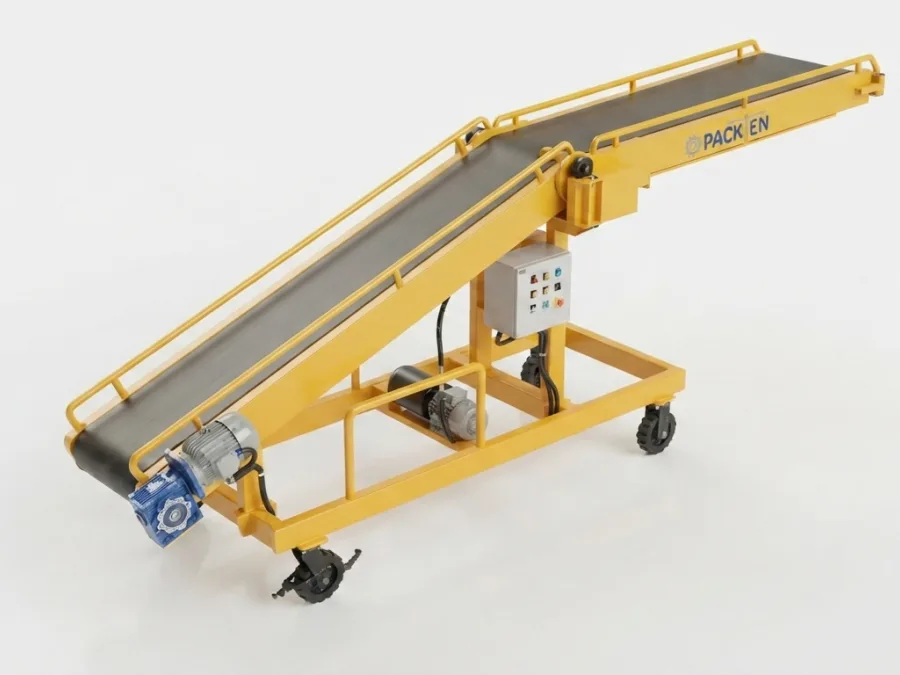
Two examples from Packten installations: an FMCG beverage plant doubled shrink packaging throughput by re-balancing its sealer–tunnel pair, and a textile exporter halved container loading time with a truck loader at the dock. In both cases the payback came from throughput, not headcount — the machine let existing people ship more.
Can you lower the entry cost and still get the ROI?
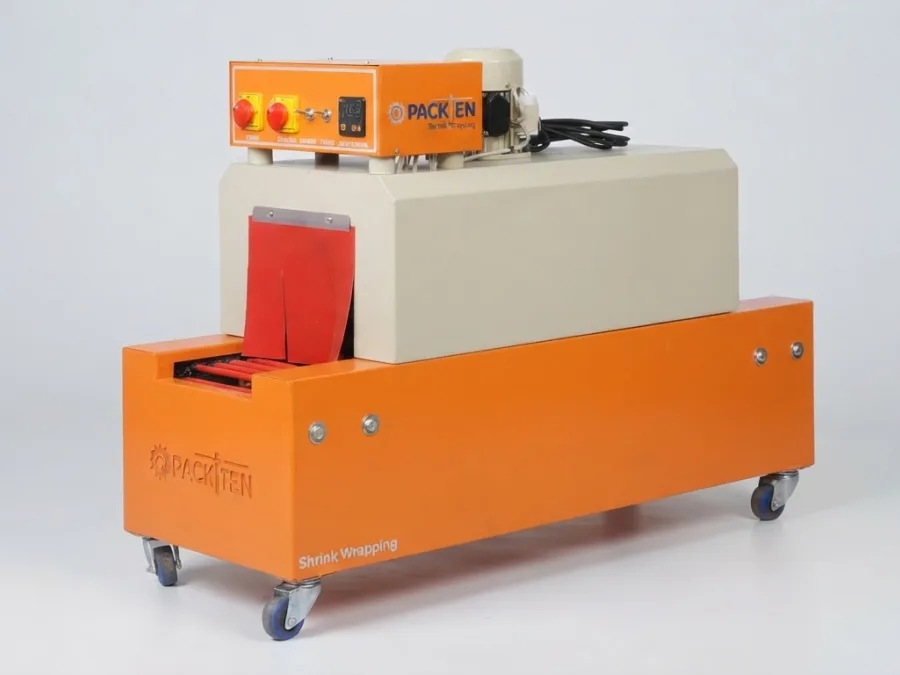
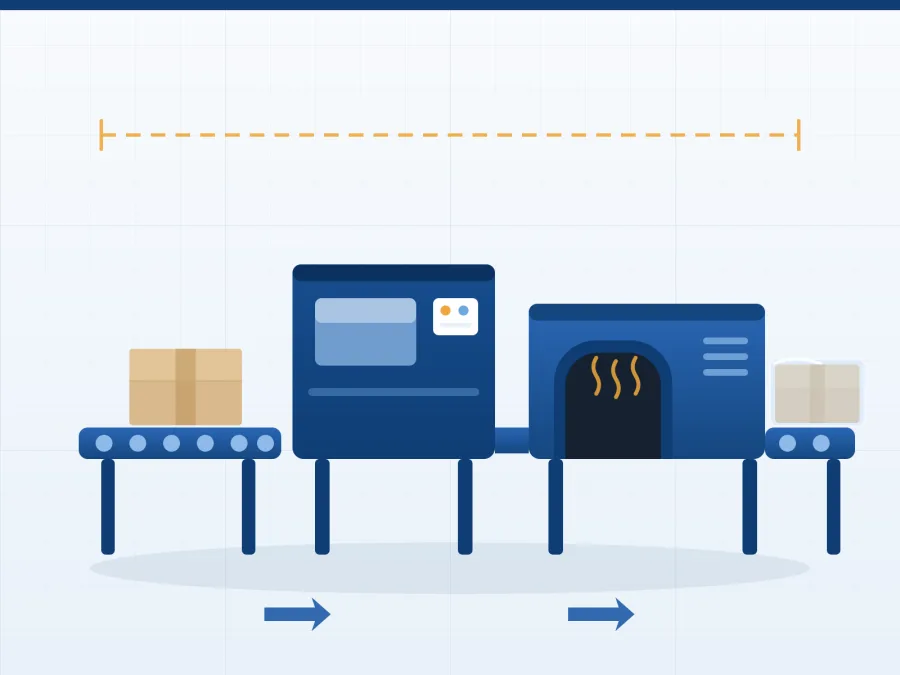
Yes — stage it. A semi-automatic step (an L-sealer with a shrink tunnel) captures most of the quality and film savings at a fraction of a full line's cost, and its ROI funds the next stage. Our comparison of semi-automatic vs fully automatic machines maps this path, and turnkey automation is where it ends up when volumes justify it — including fully custom packaging systems for lines that standard machines do not fit.
What about GST and MSME benefits?
Machinery purchases carry GST you can claim as input credit, which effectively reduces your investment by the tax amount — always compute payback on the net figure. MSMEs should also check currently available capital-investment and technology-upgradation schemes with their bank or CA; programmes change, but manufacturing capex support of some form is usually available and shortens payback further.
ROI worksheet: gather this before talking to a manufacturer
- Packs per day now, and target.
- People in packing and loading, per shift, with monthly cost.
- Film/tape consumption and cost per month.
- Damage/rework rate traced to packing.
- Orders or volume you currently decline for capacity reasons.
Bring those five numbers to the contact page and Packten's engineers will run the payback calculation with you against a real machine quote — honestly, including the cases where the answer is "not yet".
Frequently asked questions
Under 24 months is a strong industrial case in India; under 12 months is exceptional and usually means the machine removed a genuine bottleneck. If your calculation shows more than three years, re-check whether you are automating the right step — or whether a semi-automatic stage would capture most of the gain for less.
Count fully loaded monthly cost — wages, overtime, supervision share, and the hiring and training churn typical of packing roles — for the specific people the machine frees. Only count heads that will genuinely be redeployed or not replaced; automation that shifts the same people elsewhere saves capacity, not cash, and belongs in the output line instead.
Yes, if you pick the right automation level. At a few hundred packs per day, a semi-automatic L-sealer and tunnel often pays back through film savings, pack quality and one freed operator. Full automation needs sustained volume to justify itself — that is why staged automation is the standard MSME path.
Film and tape wastage from hand-wrapping, transit damage traced to weak seals, marketplace or buyer penalties for pack quality, and the orders quietly declined in season because packing capped dispatch. The last one is usually the largest number and the least measured.