Packaging Machine AMC in India: Cost, Inclusions and Whether It's Worth It
An AMC (annual maintenance contract) for a packaging machine is worth it when the machine gates your daily dispatch: scheduled preventive visits, priority breakdown response and planned spares almost always cost less than a single day of lost production in season. For lightly used or non-critical machines, pay-per-call service can be the more economical choice.
Key takeaways
- An AMC converts unpredictable breakdown costs into a fixed, budgetable annual amount.
- Heat-and-motion machines — shrink tunnels, web sealers — benefit most from preventive care.
- AMC pricing is typically a small percentage of machine value per year, varying with cover level and shifts.
- The response-time commitment is the clause that matters; read it before the price.
- Comprehensive vs non-comprehensive (parts included or excluded) is the biggest cost and coverage difference.
What does a packaging machine AMC include?
A typical contract covers scheduled preventive maintenance visits (inspection, cleaning, calibration, lubrication), priority response when the machine stops, labour for repairs, and a defined stance on parts — either included (comprehensive) or billed separately (non-comprehensive). Good contracts also include operator refresher training and a condition report after every visit. That is the structure of Packten's own annual maintenance contracts, backed by our spares and rapid service desk.
What does an AMC cost relative to the machine?
Across the industry, annual AMC pricing generally lands in the low single-digit percentages of the machine's value for non-comprehensive cover, rising with comprehensive parts cover, multi-shift usage, machine age and site distance. Rather than fixating on the percentage, compare it to your downtime cost: one stalled dispatch day in season usually exceeds a year of AMC. Our ROI guide shows how to put a rupee figure on that downtime.
AMC vs pay-per-call service: which suits you?
| Factor | AMC | Pay-per-call |
|---|---|---|
| Cost pattern | Fixed annual, budgetable | Zero until something breaks, then unpredictable |
| Response priority | Contracted, jumps the queue | Best-effort scheduling |
| Preventive care | Scheduled — failures caught early | None; you call after the stoppage |
| Best for | Dispatch-critical, multi-shift machines | Backup machines, light single-shift use |
| Hidden risk | Paying for cover you never draw on | Season-time breakdown with no committed help |
Which machines benefit most from an AMC?
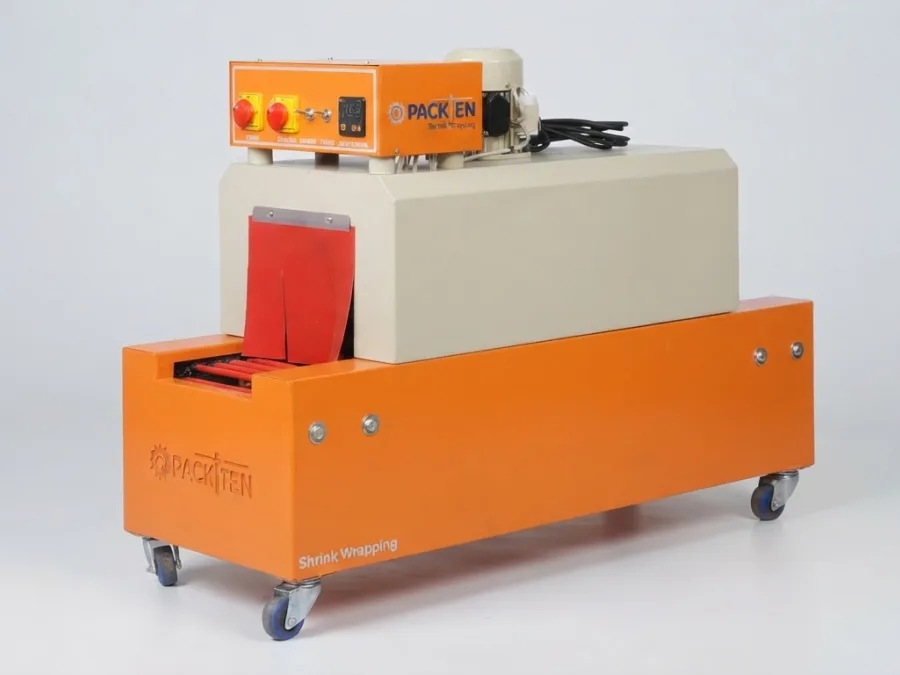
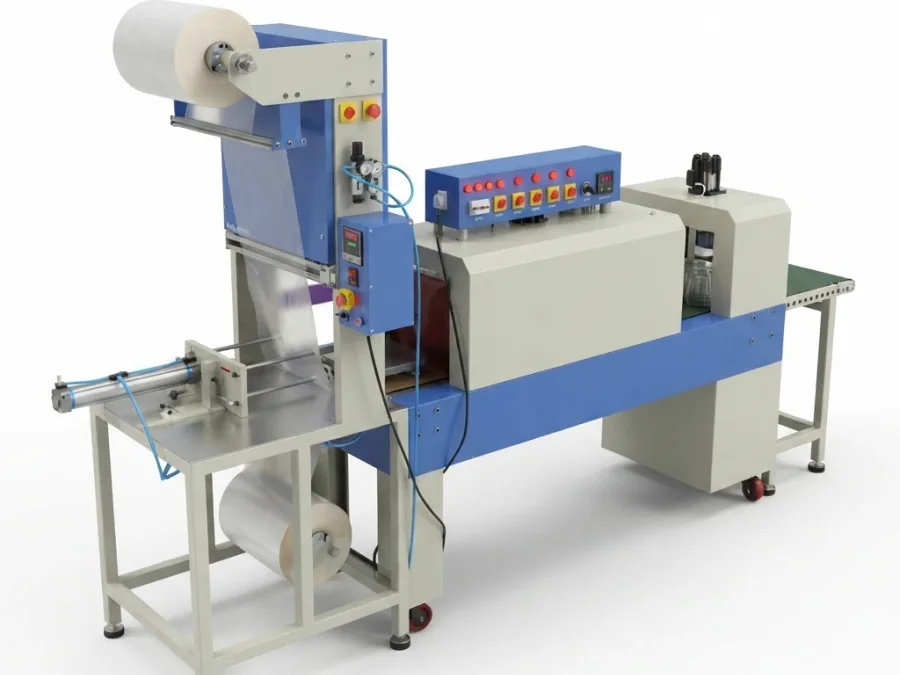
Machines that combine heat, motion and long duty hours: shrink tunnels (heaters, blowers, belts under thermal cycling) and automatic web sealers (continuous mechanical duty plus control electronics). Conveyors and simpler manual machines wear more slowly — a food SME running our L-sealer went three years with almost no maintenance on routine care alone. Plants in harsh environments — dusty warehouses, humid coastal sites, chemical plants — should shorten every service interval regardless of contract type.
Can good routines replace an AMC?
Partly. Daily and weekly operator care (our shrink tunnel maintenance checklist covers it) prevents most small failures, and a disciplined plant with a strong in-house electrician can self-manage a lightly loaded machine. What routines cannot replace is priority access to factory engineers and parts when something genuinely breaks in season — that is the insurance you are actually buying.
How should you evaluate an AMC offer?
- Response time: what is committed in writing — hours or "as soon as possible"?
- Visit count: how many preventive visits per year, and what does each include?
- Parts: comprehensive or non-comprehensive? Which parts are excluded either way?
- Who comes: factory-trained engineers or a subcontracted local?
- Spares stance: are fast-wearing parts stocked for your model?
- Reporting: do you get a written condition report you can act on?
- Escalation: what happens if the machine cannot be revived on site?
Running Packten machines — or another make you would like properly maintained? Ask for an AMC proposal on the contact page; we will recommend the cover level your usage actually justifies, including the honest answer when pay-per-call is enough.
Frequently asked questions
Industry practice prices annual cover at a small percentage of the machine's value — higher for comprehensive contracts that include parts, multi-shift usage, older machines and distant sites. Judge the number against your downtime cost: one lost dispatch day in season usually exceeds a full year of AMC.
Warranty covers manufacturing defects; it does not deliver scheduled preventive visits, wear-part replacement or priority breakdown response. Many plants run year one on warranty plus good operator routines, then start the AMC from year two when wear parts begin to matter. For dispatch-critical multi-shift machines, starting earlier is reasonable.
Comprehensive includes the cost of replacement parts in the contract price; non-comprehensive covers visits and labour while parts are billed as consumed. Comprehensive costs more upfront but caps your risk; non-comprehensive is cheaper and fine for newer machines with predictable wear. Either way, get the exclusions list in writing.
Many do, Packten included — our service team maintains most common shrink wrapping, sealing and conveying machines regardless of who built them. The practical requirements are access to the machine's documentation and a parts pathway; the engineer assesses both during a first inspection visit.