How to Choose a Shrink Tunnel Machine for Your Production Line
To choose a shrink tunnel machine, match four things to your production line: the size and shape of your packs, your required output per hour, the shrink film you plan to run, and the service support behind the machine. Get those four right and the tunnel will run efficiently for years; get them wrong and you pay for it every shift.
Key takeaways
- Size the tunnel chamber to your largest pack, not your average one — and check the smallest pack still shrinks evenly.
- The tunnel must comfortably keep pace with the sealer feeding it; a tunnel running flat out wears faster and wastes film.
- Film choice (POF, PE or PVC) changes the required temperature range and airflow design.
- Energy-efficient heating and a well-insulated chamber cut running costs meaningfully over the machine's life.
- Spares availability and service response time matter as much as the specification sheet.
What does a shrink tunnel do, and when do you need one?
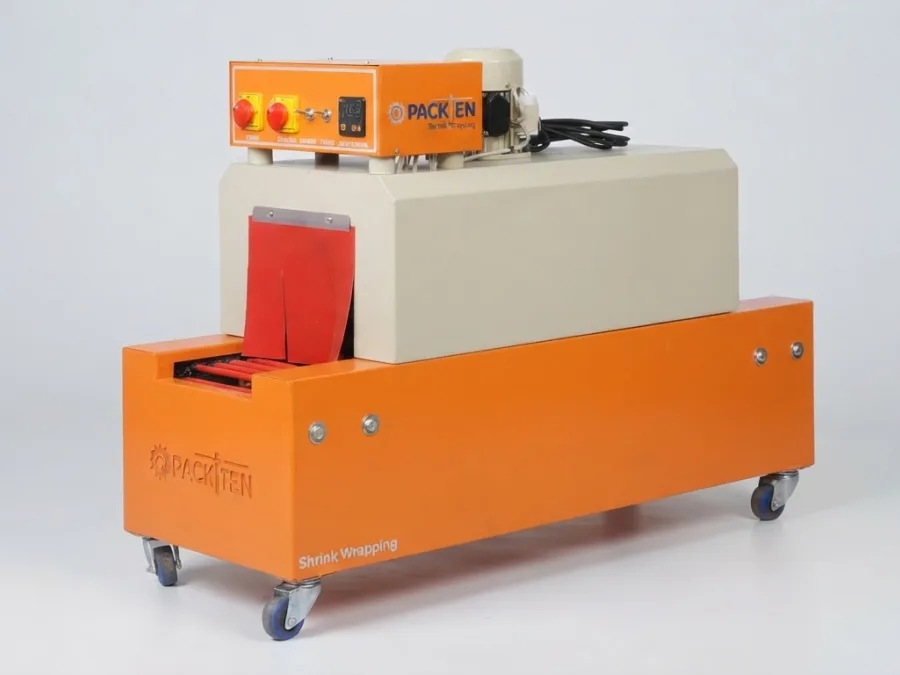
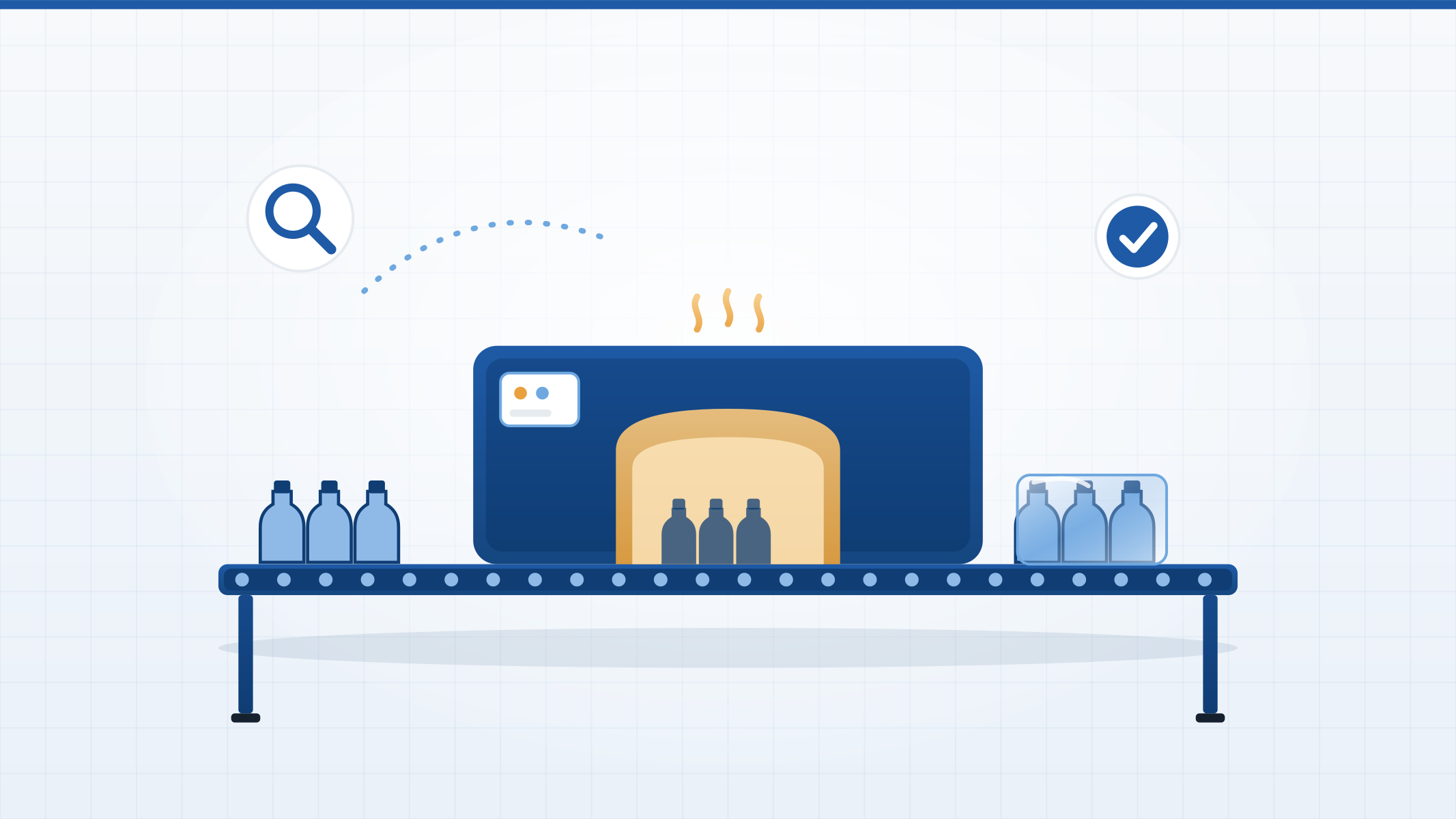
A shrink tunnel applies controlled hot air to film-wrapped products so the film shrinks tightly around them, giving a tamper-evident, retail-ready and transport-stable pack. If you currently shrink packs with a heat gun, or your sealer's output is queuing up faster than you can finish it, it is time for a tunnel.
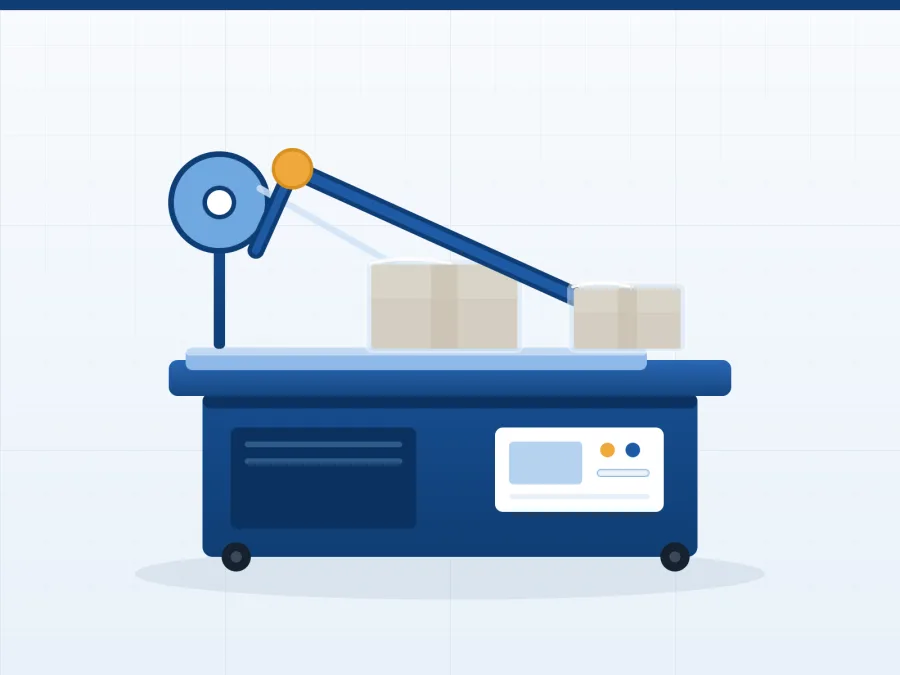
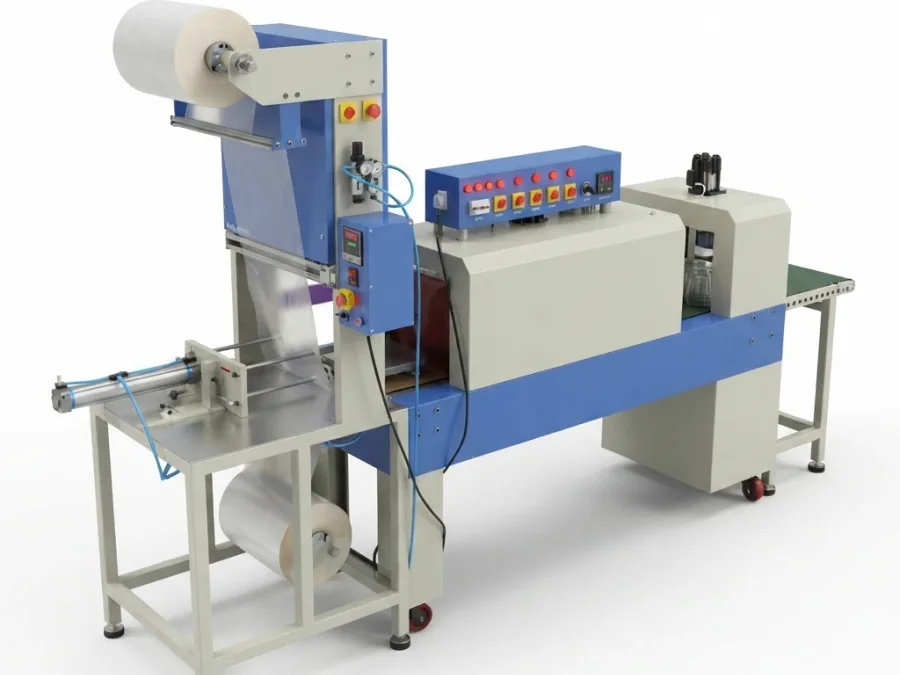
Shrink tunnels almost never work alone. They sit downstream of a sealing machine — typically an L-sealing machine for small and medium volumes or an automatic web sealer for high-speed lines — so the two machines must be selected as a pair.
Which pack formats and sizes must it handle?
Start by measuring the largest and the smallest pack you actually run, including seasonal and promotional multipacks. The largest pack sets the chamber width and height; the smallest tests whether airflow is even enough to shrink light film without distorting it.
- Bottles and jars: need stable conveying and even top-to-bottom airflow so labels do not wrinkle.
- Cartons and boxes: need crisp corners, which depend on balanced temperature and belt speed.
- Multipacks (water, beverages, FMCG bundles): need higher heat capacity and often a stronger conveyor.
If you run varied formats — common in FMCG plants — insist on adjustable belt height, speed and temperature so one machine covers your whole range.
How do you match tunnel speed to line speed?
A shrink tunnel should run at about 70–80% of its rated capacity at your normal line speed. That headroom keeps shrink quality consistent, absorbs short surges, and extends heater and blower life. To check the match:
- Note the packs per hour your sealer delivers at normal running speed.
- Ask the manufacturer for the tunnel's throughput with your pack size and film, not the headline maximum.
- Confirm the conveyor speed range overlaps the sealer's output rate with margin on both sides.
One of our beverage customers doubled shrink packaging throughput by re-balancing the sealer–tunnel pair rather than buying a bigger line — the full numbers are in this FMCG case study.
Which shrink film will you run?
Film and machine must be chosen together. POF needs accurate mid-range temperatures and good air circulation; PE needs more heat energy for thick bundling film; PVC shrinks at lower temperatures but is fading from food applications. If you have not fixed your film yet, read our POF vs PE vs PVC shrink film guide before finalising the tunnel specification.
What should you check on heating, chamber and energy use?
Two tunnels with the same chamber size can have very different running costs. Ask about these points before comparing prices:
| What to check | Why it matters |
|---|---|
| Temperature control accuracy | Stable temperature means consistent shrink and less film wastage across shifts. |
| Chamber insulation | Poor insulation leaks heat into your plant and inflates the power bill. |
| Airflow design | Even circulation shrinks all sides of the pack uniformly — no cold spots or burn marks. |
| Stainless steel construction | Resists heat cycling and corrosion; essential for food and pharma environments. |
| Conveyor type and speed range | Silicone-coated or mesh belts suit different products; variable speed tunes shrink quality. |
| Power rating vs actual draw | Efficient heaters reach set point faster and hold it with less energy. |
How much do service and spares matter?
A shrink tunnel is a heat machine that runs all day — heaters, blowers and belts are wear parts. Before you buy, confirm who installs and commissions the machine, how fast you can get spares, and whether operator training is included. Packten handles this in-house through our installation and commissioning service, with spares and rapid service support after handover — which is why buyers across Gujarat, from Surat to Ahmedabad, prefer a manufacturer within reach over a distant importer.
Specification checklist before you request a quote
- Largest and smallest pack dimensions (length × width × height).
- Required output in packs per hour at normal and peak production.
- Film type and thickness you run or plan to run.
- Product sensitivity — heat-sensitive contents need gentler profiles.
- Available floor space, ceiling height and power supply.
- The sealer the tunnel will pair with (or ask for both as a matched set).
You can also compare our packaging machines side by side to shortlist the right combination.
Ready to size a shrink tunnel for your line? Share your pack dimensions, target output and film with our engineers through the contact page and we will recommend the right shrink tunnel machine configuration with a detailed quote — usually within one working day.
Frequently asked questions
Size the chamber to your largest pack — width, height and length — plus clearance for airflow, then confirm your smallest pack still shrinks evenly in the same chamber. Quoting your real pack dimensions to the manufacturer matters more than any catalogue size, because the chamber drives the whole machine's cost and energy use.
Yes, within its chamber limits. A tunnel with adjustable temperature, belt speed and (ideally) belt height covers a family of pack sizes well — the normal case in FMCG plants. What one tunnel cannot do efficiently is span extremes, like single soap boxes and full water bundles; those need different heat capacities.
It depends on chamber size, insulation quality and film type — PE bundling film needs meaningfully more heat than POF retail film. Ask every vendor for both the connected load and the expected running load at your pack rate; a well-insulated tunnel with efficient heaters draws noticeably less per shift than its rating suggests.
Almost always, yes. The sealer wraps and seals the product in film; the tunnel then shrinks the film tight. An L-sealer suits small-to-medium volumes and varied sizes, while an automatic web sealer suits high-volume single-format lines. Buying both as a matched pair avoids the most common speed-mismatch problems.
A well-built tunnel that gets basic daily care and timely replacement of wear parts — belts, heaters, fan bearings — routinely runs 10 to 15 years in Indian plants. Build quality and maintenance discipline matter far more than brand; the same machine neglected in a dusty plant can struggle within five.