How to Plan a Turnkey Packaging Line
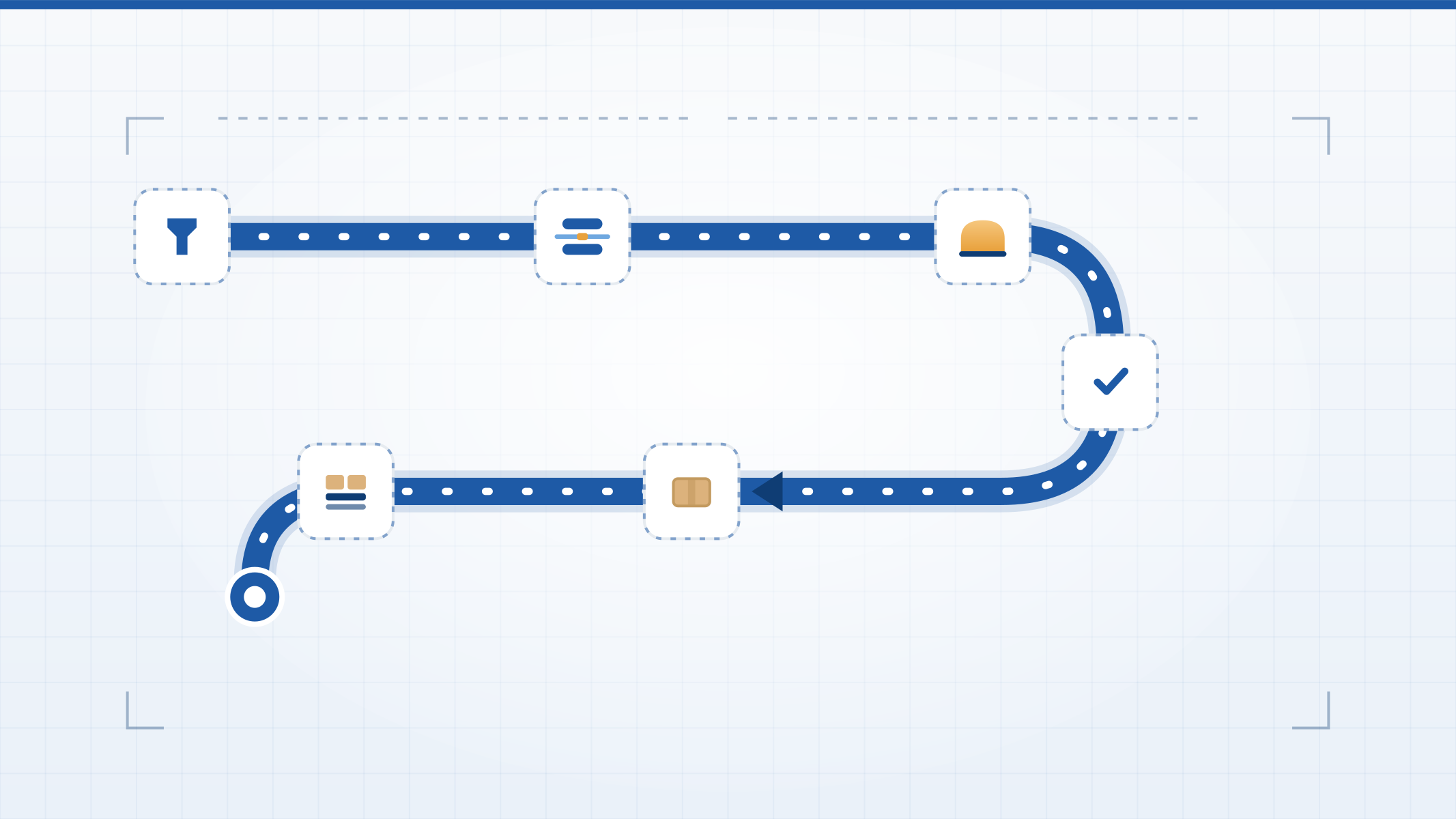
Planning a turnkey packaging line in India comes down to five decisions: map the product flow, fix the target speed, size every machine to hold that speed, design the layout around your floor and utilities, and put one vendor in charge of integration. Plants that settle these on paper first commission faster, and avoid the classic trap of well-specified machines that never work as one line.
Key takeaways
- A line runs at the pace of its slowest machine — balance matters more than any single spec.
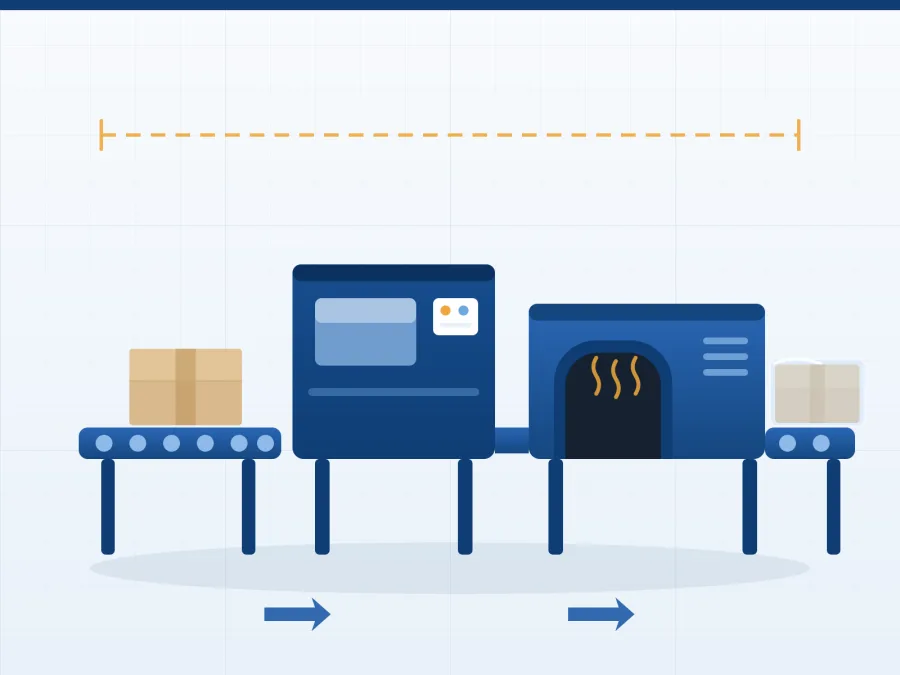
- Map the full flow (infeed → sealing → shrinking → conveying → dispatch) before requesting quotes.
- Single-vendor responsibility for design, build, installation and service removes integration finger-pointing.
- Layout, power and operator access decide day-to-day usability as much as the machines do.
- Budget commissioning and training time — a line is finished when your operators run it, not when it is delivered.
What is a turnkey packaging line?
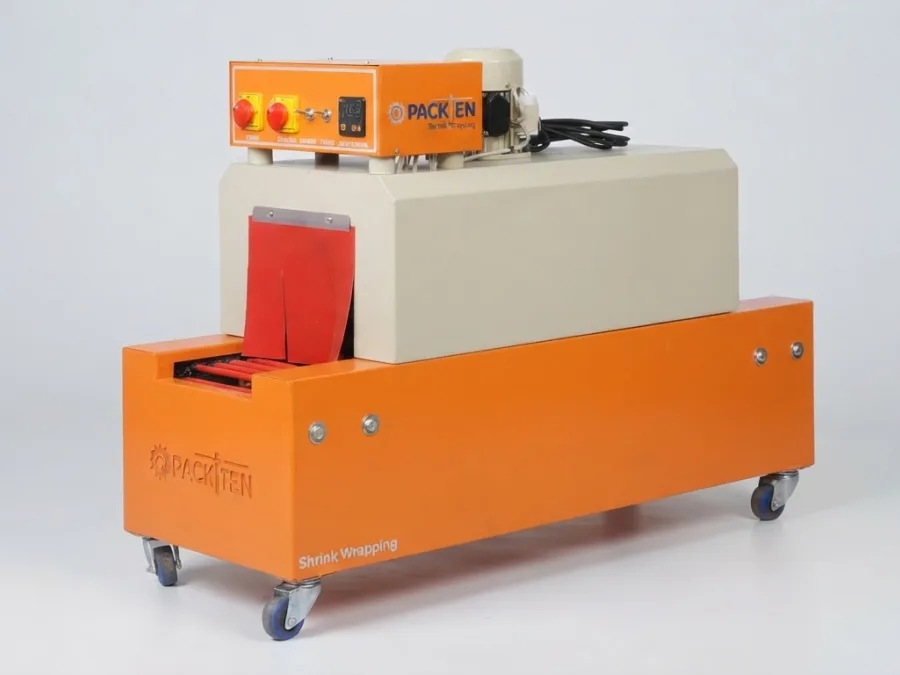
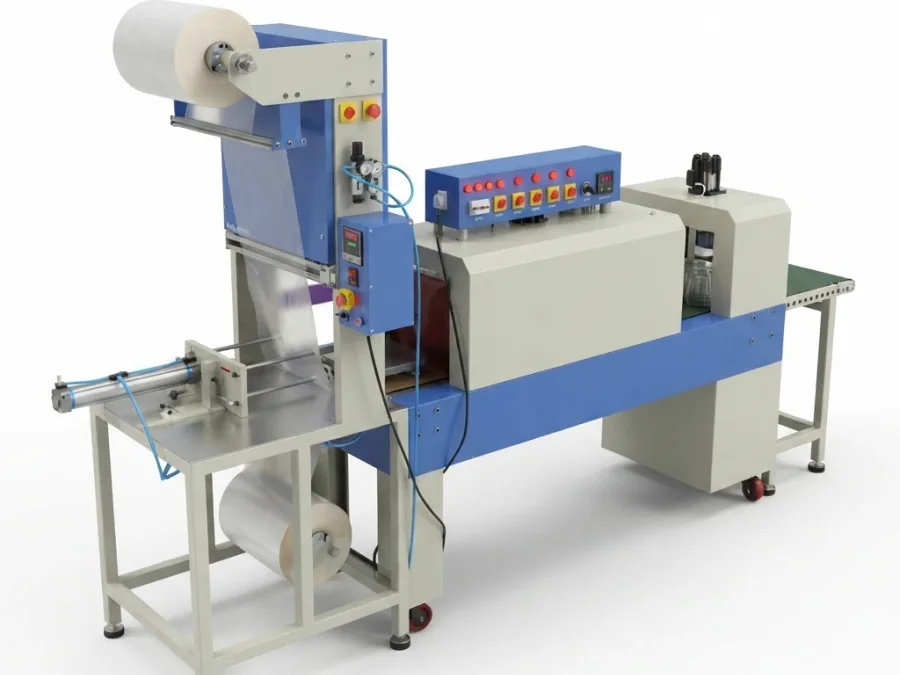
It is a complete, integrated system — sealing, shrink wrapping, conveying, and often coding, taping and dispatch loading — designed, built, installed and supported as one project by one manufacturer. Instead of buying machines from three suppliers and hoping they match, you hand over the requirement and take back a running line. That single-point accountability is the core of Packten's turnkey automation service.
How do you map the product flow before buying anything?
- Start at the product: sizes, weights, and how it arrives at packing.
- List every step to the truck: collation, sealing, shrinking, cooling, batch coding, cartoning, palletising, loading.
- Write the required output per hour at each step — peak, not average.
- Mark manual touchpoints you want to keep (inspection, cartoning) versus eliminate.
- Note constraints: floor space, column positions, power capacity, ceiling height, ambient temperature.
This one-page flow map is the most valuable document in the whole project — every machine specification falls out of it.
How do you size and balance each machine?
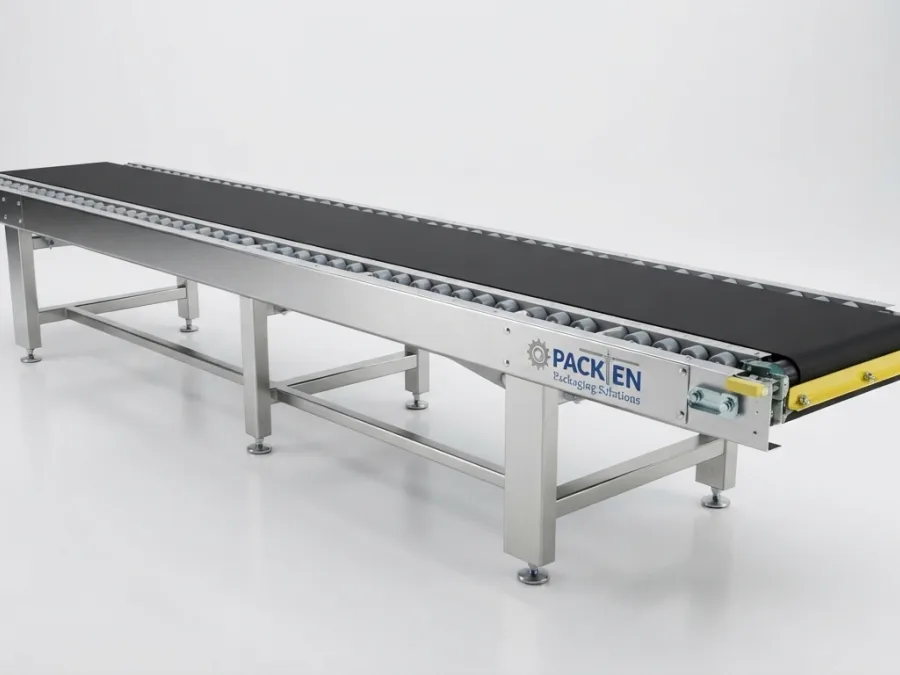
Size every station 10–20% above the line's target rate, then verify the pair-wise handoffs: the web sealer must feed the shrink tunnel inside its efficient band, and the conveyors between them must buffer short mismatches without jamming or gapping. A common and expensive mistake is a high-speed sealer starved by an undersized tunnel — the whole premium paid for speed is lost downstream.
What layout, power and utilities does the line need?
- Layout: straight lines are simplest; L- and U-shapes fit tight floors and bring infeed and dispatch together. Leave maintenance clearance on the service side of every machine.
- Power: heat machines (tunnels, sealers) dominate the load — get the connected load and running load in the quote and check your sanctioned capacity.
- Operators: position controls and loading points so one operator covers more than one station where speeds allow.
- Expansion: reserve space at the dispatch end; growth usually arrives as a second product, not a second factory.
Because floors, products and speeds never match a catalogue exactly, most turnkey lines include some custom-built equipment — that is our custom packaging systems capability, backed by in-house machine design.
One vendor or many: who owns integration?
Multiple vendors can each deliver a working machine and still deliver a non-working line — mismatched heights, speeds, controls and no one accountable for the gaps. A single manufacturer owns the interfaces: matched conveyor heights, one control philosophy, one commissioning team, one service number afterwards. Ask any turnkey vendor two questions: do you manufacture the core machines yourself, and who signs for line output at handover? Packten's answer to both is: we do — see our in-house manufacturing.
What does a turnkey project timeline look like?
| Phase | Typical duration | Who is responsible |
|---|---|---|
| Requirement study & line design | 1–3 weeks | Manufacturer, with your production data |
| Proposal, layout drawing & order | 1–2 weeks | Both |
| Manufacturing & factory testing | 4–10 weeks by scope | Manufacturer |
| Site preparation (power, floor, space) | Parallel to build | Customer, to vendor's checklist |
| Installation & commissioning | 3–10 days | Manufacturer |
| Operator training & handover at rated speed | 2–5 days | Manufacturer |
How do you plan installation, training and support?
Insist that commissioning ends with the line running your product at the agreed rate — not a demo with empty packs. Get operators trained on changeovers and daily maintenance during commissioning, while the engineers are on your floor (our installation and commissioning service includes this). Then agree the support arrangement before the team leaves: spares list, response time, and ideally a preventive maintenance schedule. One beverage plant that followed this playbook doubled its shrink packaging throughput with a re-balanced, properly commissioned line.
Planning a line for your plant? Share your product, target speed and floor dimensions on the contact page — Packten's engineers will design the layout and quote the complete turnkey packaging line, machines and integration included.
Frequently asked questions
From requirement study to handover, typical projects run three to five months: a few weeks of design and proposal, one to two-plus months of manufacturing and factory testing depending on scope, then days to a fortnight of installation, commissioning and operator training at your site. Site preparation runs in parallel with the build.
Usually yes, if they are mechanically sound. The integrator designs conveyor heights, speeds and controls around the machines you keep, and replaces only the true bottlenecks. Share the make, model and actual output of each existing machine at the design stage so the line is balanced around reality.
It depends entirely on the machine set and layout — which is why layout drawing comes before ordering, not after. Straight lines need length; L- and U-shaped layouts trade length for width and bring infeed and dispatch together. Always reserve maintenance clearance on the service side and expansion space at the dispatch end.
Five things: your product and pack dimensions with weights, required output per hour at peak, the process steps you want covered (sealing, shrinking, conveying, coding, loading), a floor plan with column positions and available power, and any constraints like washdown or food-grade requirements. With those, a serious proposal follows quickly.